




x

Three foundations worth understanding

img not fount

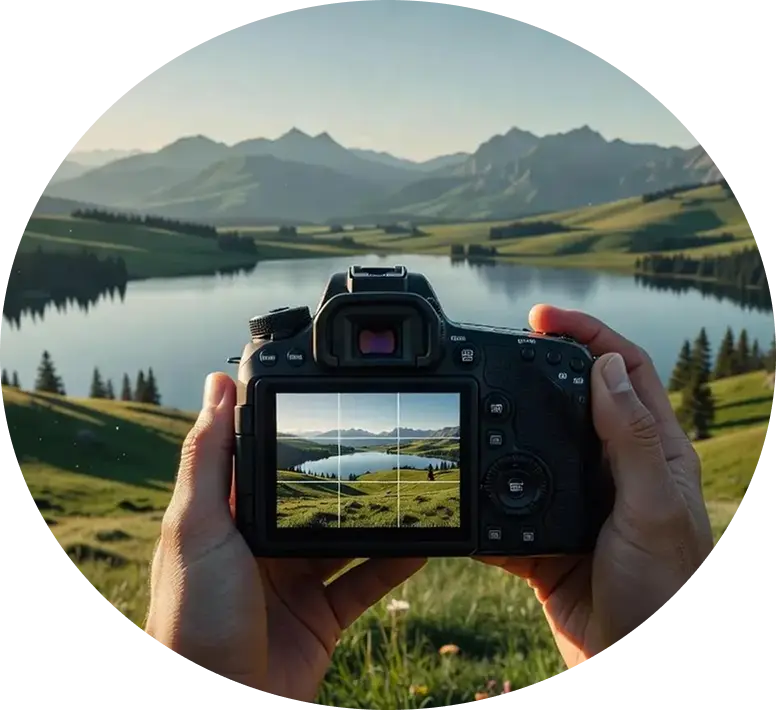
Understanding your camera

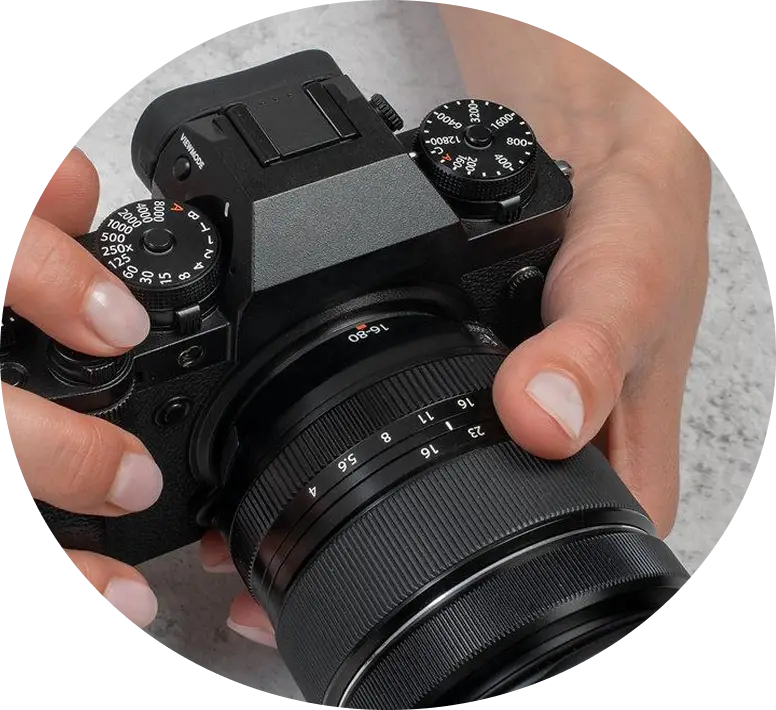
Aperture, shutter speed and ISO are the three basic exposure controls. Learning what each one does helps explain why a photograph may look too dark, too bright or blurred.

img not fount

Learning to compose a photograph

Composition is the way elements are arranged within the frame. Paying attention to balance, leading lines, perspective and the position of your subject can change how an image feels.

img not fount

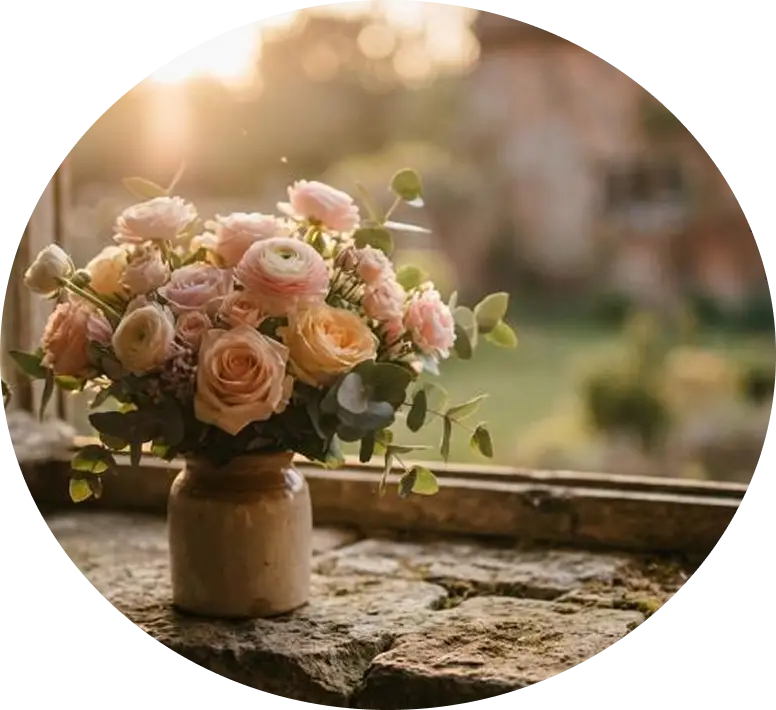
Working with natural light

Light affects colour, contrast, texture and mood. Notice where it comes from, how soft or harsh it is, and how it changes throughout the day.

img not found
From camera settings to creative confidence

Build your photography skills in a sensible order

A structured learning process helps connect technical knowledge with practical decisions. Rather than trying to master everything at once, focus on one idea, practise it and then move on.

  • Start by identifying the main controls on your camera and learning what they change.
  • Explore aperture and how it affects depth of field and the appearance of the background.
  • Practise shutter speed to understand how movement can be frozen or shown as blur.
  • Learn how ISO affects exposure and image noise in different lighting conditions.
  • Experiment with composition, framing and the relationship between your subject and its surroundings.
  • Try different subjects, including landscapes, close-up details and everyday scenes, to put the techniques into practice.
image not found
img not found
img not found
img not found
Common questions from beginner photographers

What should a beginner know about learning photography?

No. The important requirement is having a camera that allows you to adjust aperture, shutter speed and ISO. Many DSLR and mirrorless cameras offer these controls, as do some advanced compact and bridge cameras.

Not necessarily. It is more useful to understand what the individual settings do first. Learning aperture, shutter speed and ISO separately gives you a foundation for using manual mode later.

Regular practice is generally more useful than trying to learn everything in one sitting. You can work through one concept at a time and take photographs that let you test what you have learned.

Yes. Online lessons, email courses, workbooks and video materials are all ways to study photography independently. The best format depends on how you prefer to learn and practise.
img not found

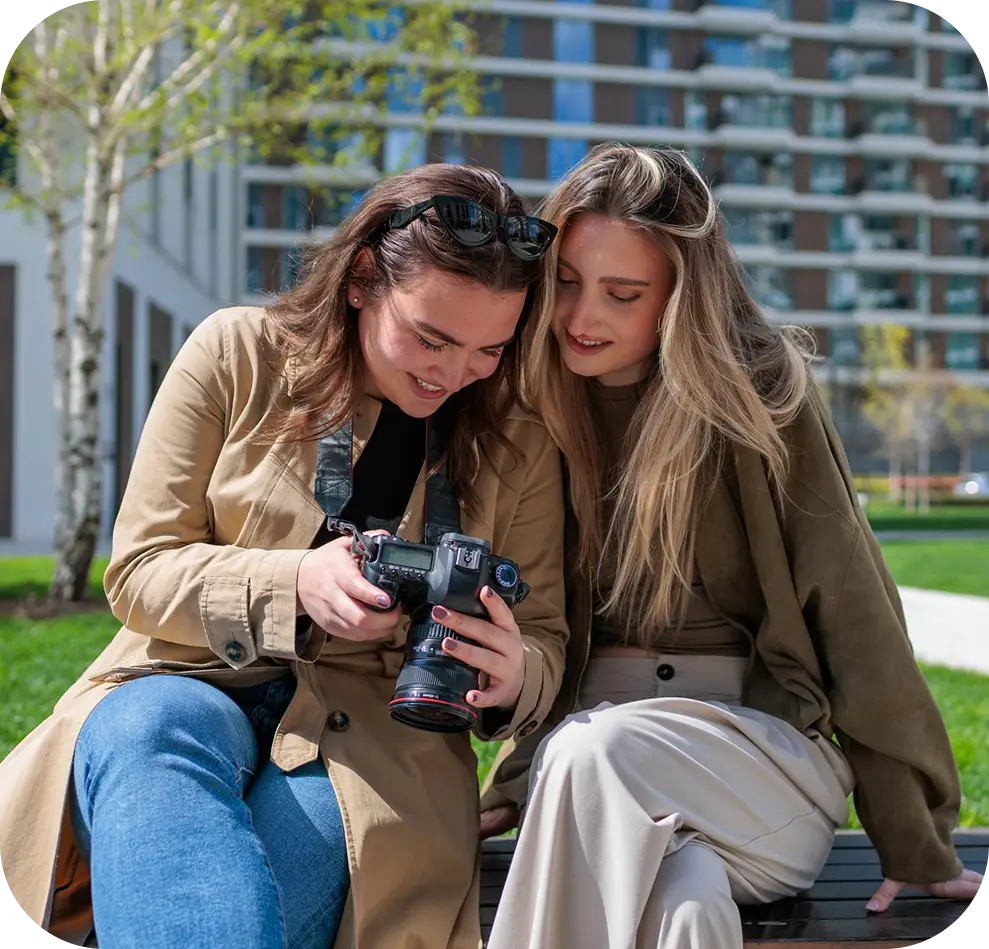
Choose a format that fits your learning routine

Printed workbooks

Paper-based learning - Exercises

Workbooks can be useful if you prefer to read away from a screen, make notes and keep practical exercises together. They also provide a reference you can return to when practising.

Video lessons

Visual explanations- Demonstrations

Video-based learning lets you see camera settings and photographic techniques demonstrated. It may be helpful when a written explanation is difficult to visualise.

A photography community

Shared practice- Discussion

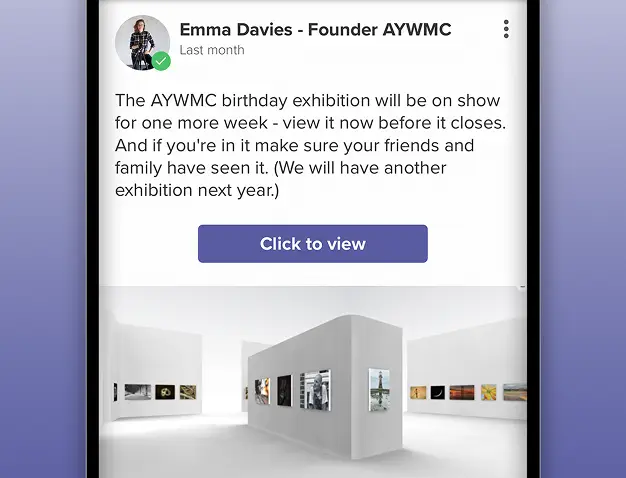
Learning alongside other photographers creates opportunities to share images, discuss ideas and ask questions. A dedicated community can also provide a place to stay connected after completing lessons.

A beginner's photography course, with an optional app format

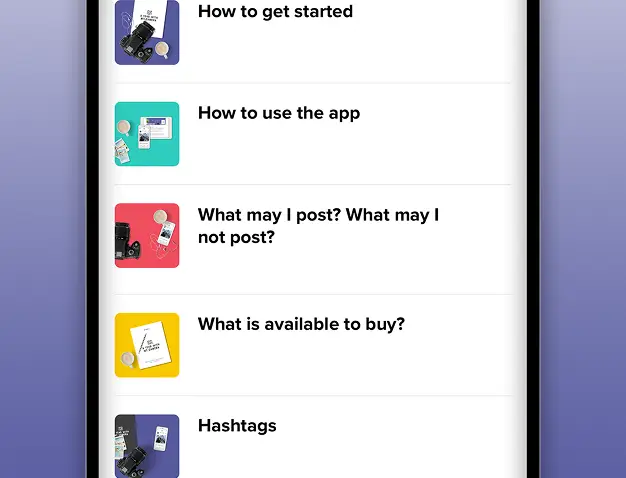
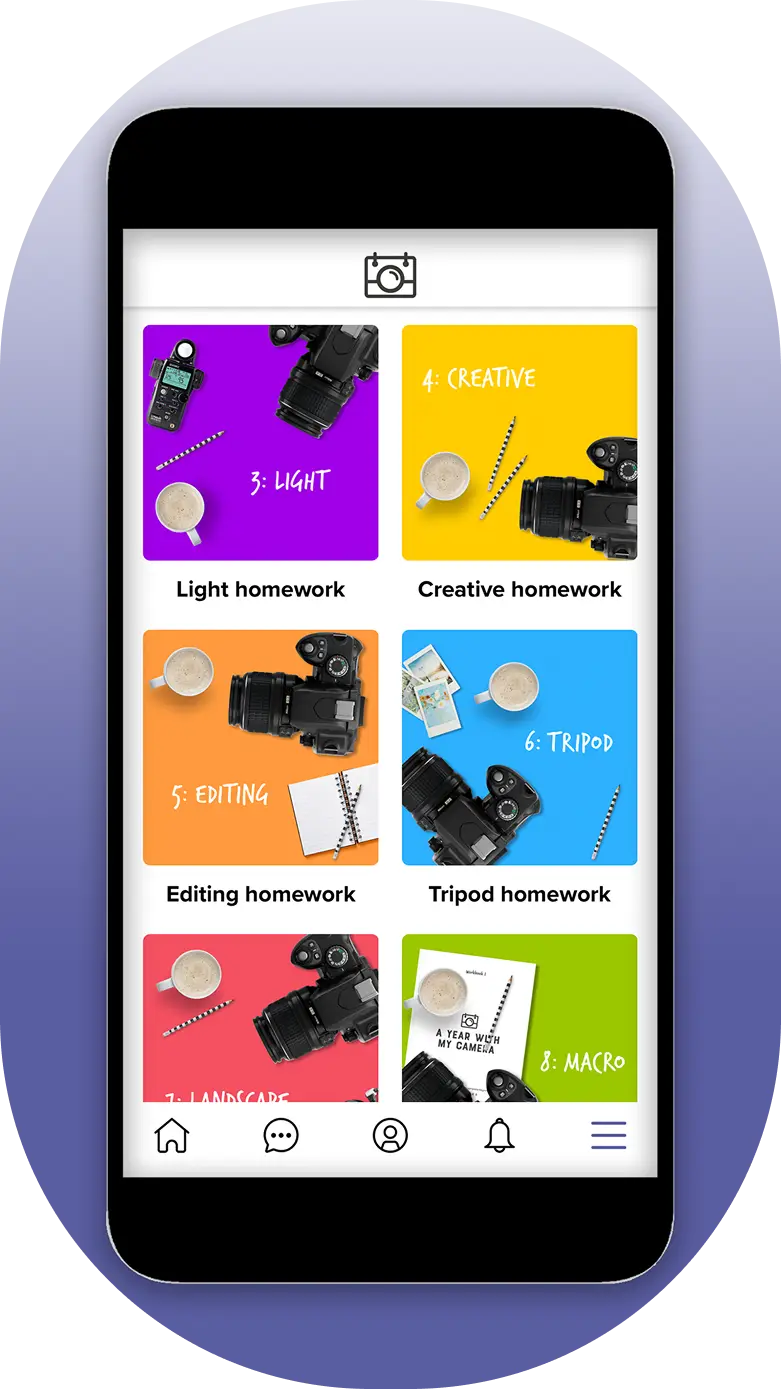
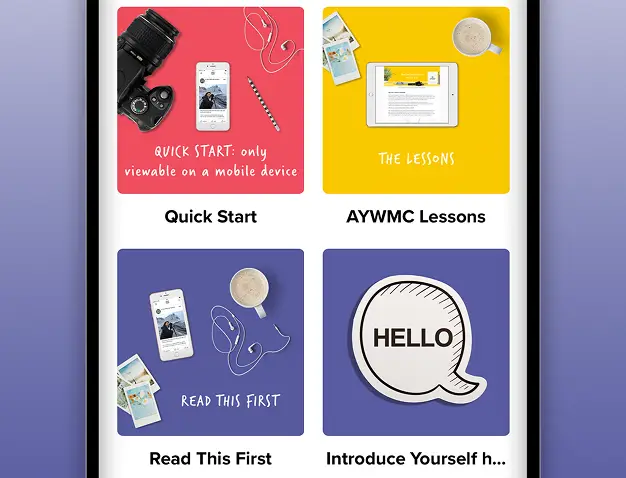
If you would prefer to follow a planned sequence rather than collect unrelated tutorials, A Year With My Camera offers a year-long photography course for beginners. Its curriculum covers camera settings, composition, light and creative practice.

Cookie

We use cookies to improve website performance and user experience. If you continue to browse the site, you agree to the use of cookies. You can disable cookies at any time.